Starting Your Journey
FAQ and Tips
FAQ
The exact itinerary is not announced in advance but typically the teams travel to 8–12 countries.
Routes are planned prayerfully by Global Challenge Missions staff in conjunction with ministry partners and are influenced by ministry opportunities, available flights, visa
requirements, border restrictions, safety considerations, cost etc.
Routes are typically revealed to the teams by the end of January.
The journey is approximately 11 months, starting in January with around 2 months of training followed by 8 months of traveling and ministry. The journey ends in November with 2-3 weeks of debrief.
We have sought to respond to the economic differences of our potential students through a sliding scale depending on the average income levels of the nation you come from. We have found this to be the fairest way to address economic differences.
We base our charges for Global Challenge Missions Journeys on our budgeted expenses and by taking into consideration the national average Per Capita Income (PCI) of 208 countries.
These countries are assigned to one of two categories based on the PCI:
Category A – Countries or territories with a PCI between US $0 – $15,000
Category B – Countries or territories with a PCI of more than US $15,000
For a complete list of countries and the category they are assigned to, please contact our office.
The sliding cost scale for the participation in the One Year Journey 2027 will be as follows:
Category A country of income – R119,500.00 (approx. R11,000pm)
Category B country of income – R144,500.00 (approx. R13,000pm)
Click here for currency converter
*PCI categories will be allocated according to your country of income in the year prior to your participation. This includes all accommodation, transport (flights, buses, and
taxis), and meals throughout the journey. The only additional costs you would need
to budget for are visas, vaccinations, travel insurance, and personal spending
money.
Health and safety is a priority for us. Due to the unreliable nature of world travel, there is an inherit risk in sending your child. However, each year, we adapt the travel routes based on current world events, avoiding high-conflict areas.
Every student is required to have travel insurance, to help in emergency situations. We are gateful that the Lord has protected our students over the last two decades and we continue to trust Him every year.
The overall structure and logistics of the two journeys are essentially the same. The
main difference is the ages and life stages of the team members. These factors will
influence the types of ministry points and serving opportunities each team engages
with.
For example, if someone on the Leadership Journey has studied engineering or
business, we would look for opportunities to connect their team with ministry points
that operate within those spheres and have a Kingdom-focused approach.
The way we travel, the timing, and the overall journey experience remain the same.
What will differ is the content the team works through and the people they journey
with. A group of people just coming out of school and a group of people coming out
of the work space will have different emotional needs and questions they are
journeying with the Lord.
Packing Tips
Pack the Essentials
Depending on the expedition you will need to pack differently, but here are some tips to consider.
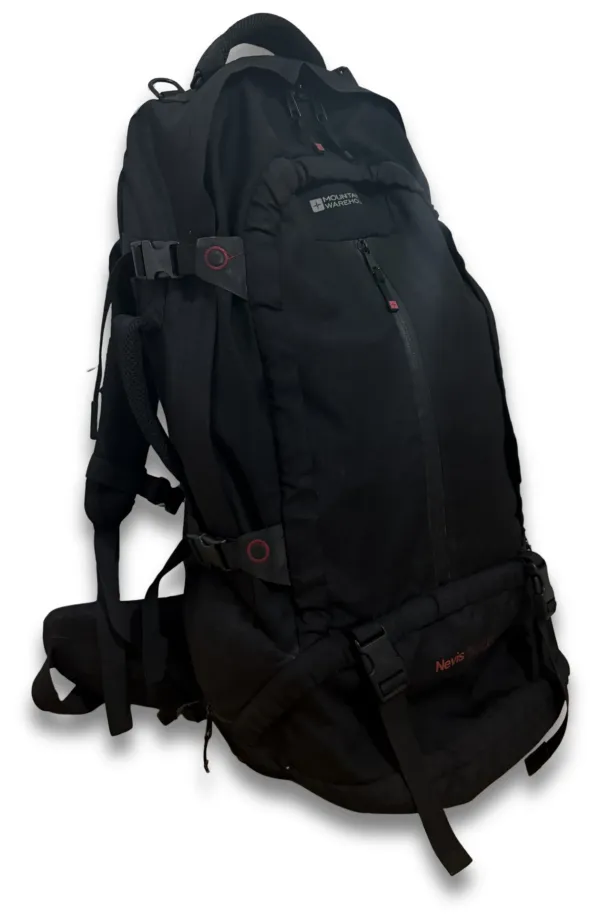
A 60-80l hiking backpack should do the trick with a small “daybag” that can go in hand luggage. The biggest trick is to keeping the weight down.
Depending on the trip you might need a tent, but for all expeditions you will need a sleeping bag and mattress.
Chipped bank cards work in 95% of the world and you can swipe and withdraw cash as needed. Just make sure you clear the card for international travel.
Don’t pack big bottles of everything, keep the weight down. Most personal hygiene products are available everywhere in the world. And do you really need that extra set of clothes or are you willing to risk the sniff test….


Backpack
We recommend a pack no bigger than 65 litres (for ladies), 75 litres max (for men). Make sure it fits snugly around your waist and that it is hard-wearing and sturdy.
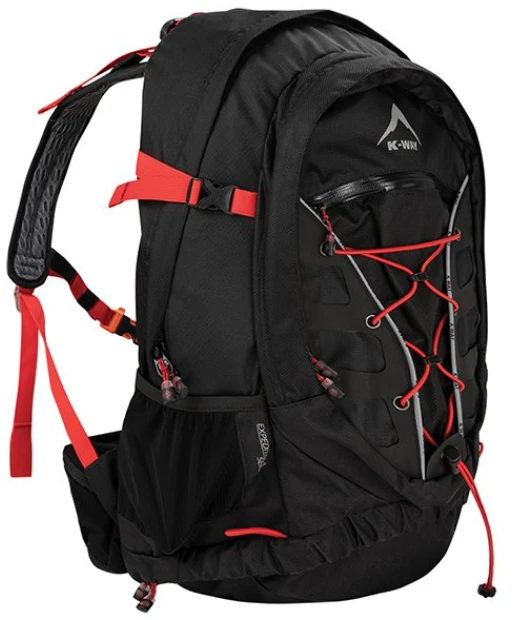
Daypack
A 20l-30l small daypack is advised for the items used most often and on weekend trips.
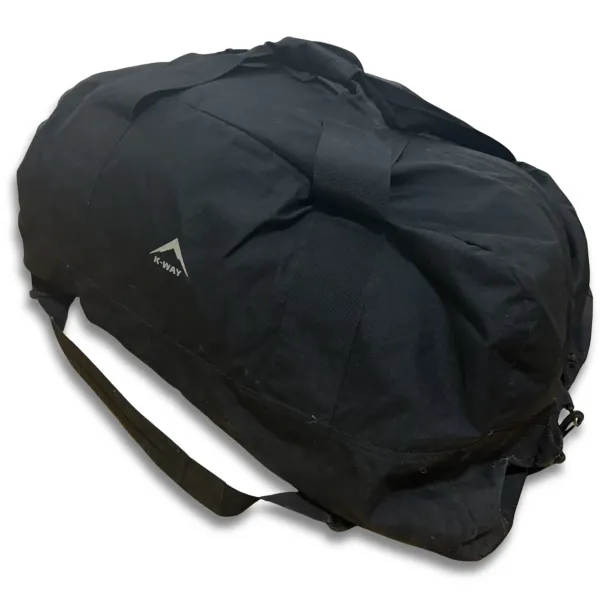
Duffel Bag
A Duffel bag is truly a lifesaver on a journey like this. It can double up as a bag protector while you are in transit and as a laundry bag while you are stationed. Make sure that your duffel bag fits over your backpack (Preferably XL size).
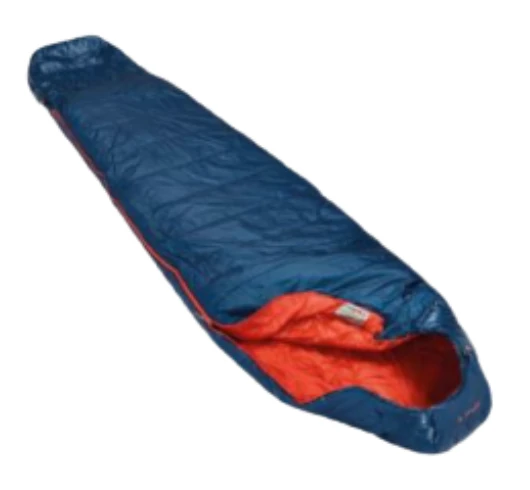
Sleeping Bag
We suggest a mid-range sleeping bag for temperatures between –3 to 18 degrees. Make sure it is lightweight (900g) and small in size when packed.
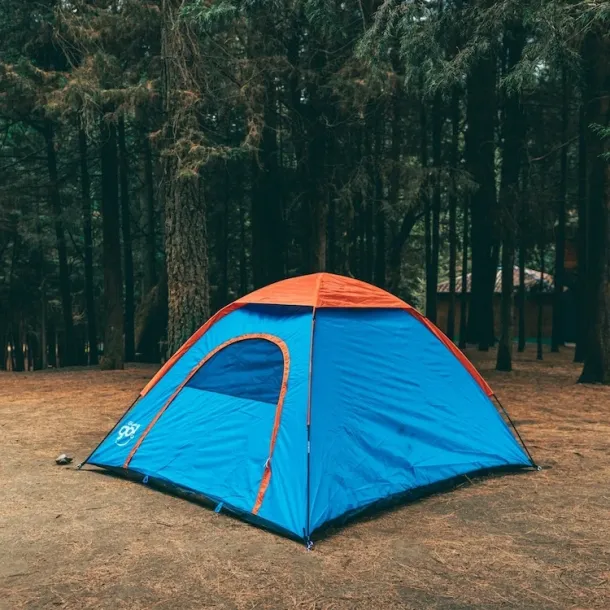
Tent
Try not to exceed a weight of 3kg and rather go for a 2-man tent, as a 1-man tent does not leave space for your bags.
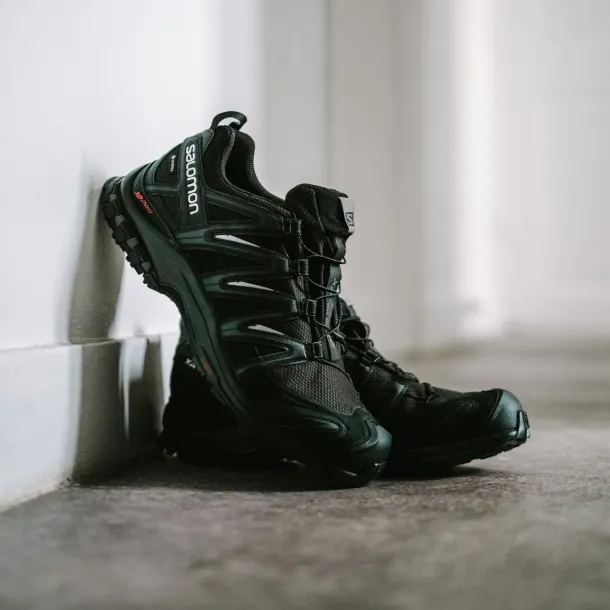
Shoes
We recommend comfortable walking shoes. They must be versatile and lightweight. Make sure your shoes have sturdy soles. Sandals or slops are also necessary.
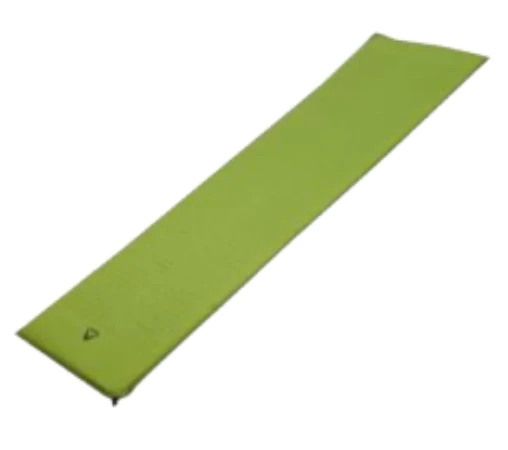
Mattress
Inflatable camping mattresses are easy to find. K-Way, First Ascent and Thermarest all make great lightweight mattresses that are ideal for travel.
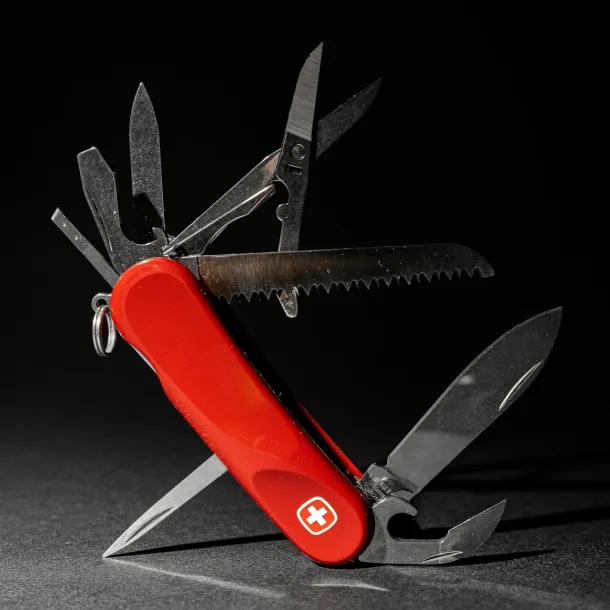
Pocket Knife
Optional, but it is convenient to have some kind of multi-tool for use in those unexpected moments. Remember to pack it in your checked luggage.
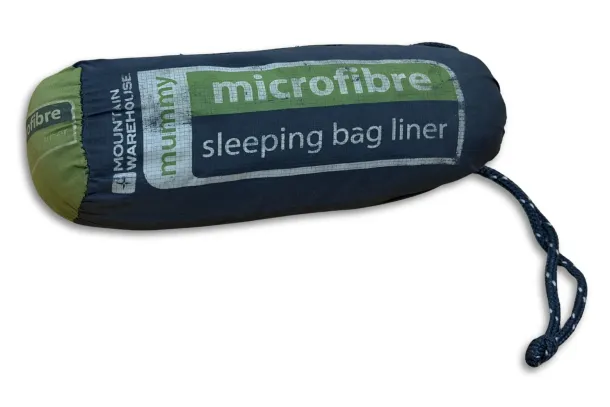
Sleeping Bag Inner
Gives additional heat in the cold, is cool to sleep in, in the summer nights, and keeps your sleeping bag clean.